MOTORSPORTS / FROM THE GRANDSTAND
Cerro Gordo Speedway
Understand the racing. Find your next read. Explore sprint and stock-car racing context, then consider the questions that matter before a day at the track.
Explore racing background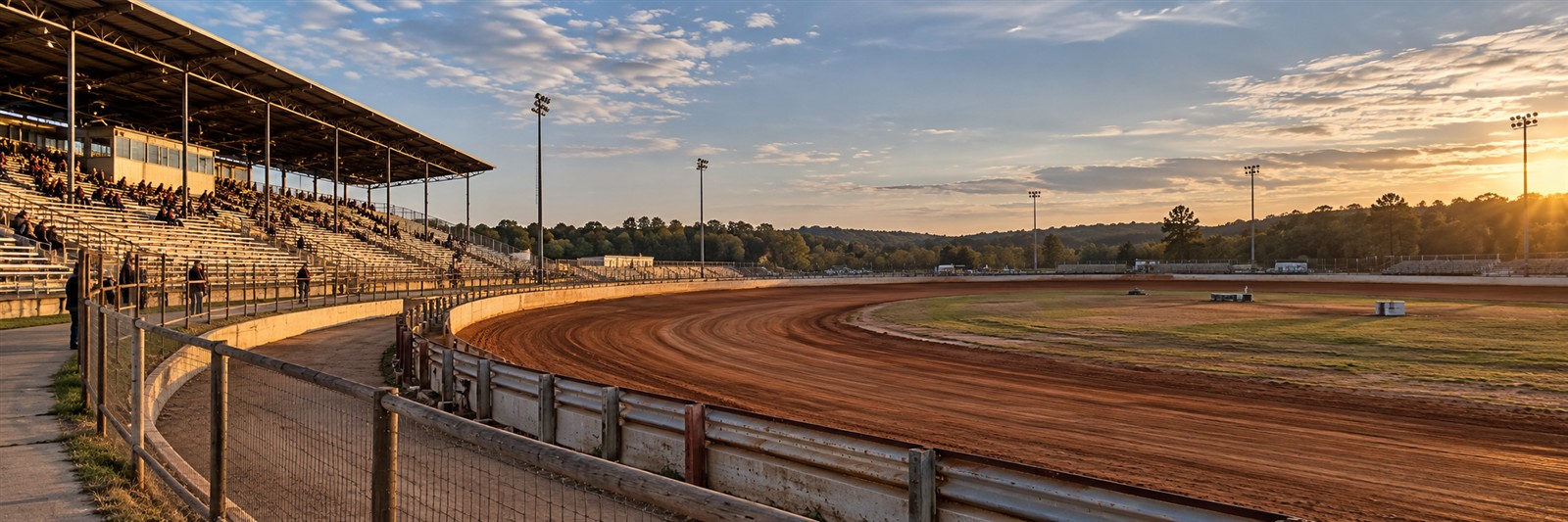
The racing line. A race becomes easier to follow when you recognise its discipline, its format and what the drivers are competing to achieve.
The spectator’s view. Good preparation starts with the details of an individual event, from admission arrangements to where spectators may go.
Different cars.
Different kinds of competition.
Motorsports is a broad subject. The site’s introduction highlights sprint racing and stock-car racing, two useful starting points for understanding how vehicle design and race rules shape what spectators see. A familiar-looking car does not tell the whole story: the class and event format matter too.
Sprint racing
Read for the relationship between purpose-built racing cars, their class rules and the contest on track. A class name is a starting point for understanding an event, not a complete programme.
Stock-car racing
Look beyond the body shape to the rules governing the competition. The vehicles, race distance and way an event is organised can vary, so use the specific event information for detail.
Start with Background Information, explore Activities, or read the About section for further context.
02 / THE SPECTATOR’S AISLE
A little context.
A better view.
Eight questions to help you read about racing and prepare for a visit.
What can I read about at Cerro Gordo Speedway?
Cerro Gordo Speedway introduces motorsports through racing and the spectator experience. Start with the background section for context, then explore the Blog and topic archives. Use each article’s subject and publication date to judge its relevance, particularly when looking for information connected to a future visit.
How do sprint racing and stock-car racing differ?
Sprint cars and stock cars belong to different racing traditions, with different vehicle designs and competition rules. The precise classes, race format and eligibility depend on the event. Knowing the advertised discipline helps a spectator choose useful background reading, but it does not establish which cars will run on a particular day.
Where should I look for event details?
Look for an event-specific announcement that identifies the date, location, participating classes and admission arrangements. General racing articles offer context rather than a confirmed programme. Before making travel plans, check that the information applies to the event you intend to attend and that any later updates have been considered.
What is useful to know before a first race visit?
Begin with the event format and the information provided for spectators. Confirm arrival instructions, permitted areas, what you may bring and any restrictions that affect your group. A little preparation makes the racing easier to follow and helps you distinguish general background advice from the requirements of that particular event.
Does reading about a facility confirm it is available?
No. A general description cannot confirm that a particular facility will be available at your event. Check current information for matters such as seating, food, parking and accessible routes. If a specific provision is essential to your visit, obtain confirmation before relying on it in your plans.
Can spectators enter the pits or meet drivers?
Pit access depends on the event and its rules; spectator admission alone should not be treated as permission to enter restricted areas. Follow the published access arrangements and on-site instructions. Driver appearances or meetings also need their own confirmation, so avoid building a visit around an unannounced opportunity.
How can I choose an article to read next?
Choose by subject first. Background Information is a useful starting point for context, while the Blog provides a separate reading route and Other gathers further topics. Check the heading, date and article itself before treating it as guidance for your question; an archive can contain material from different periods and subjects.
What should I confirm when visiting with a group?
Confirm the details that affect everyone: the event date, admission conditions, arrival arrangements and any age or access requirements. Agree on a meeting place using the event’s own visitor information. For children or anyone with particular access needs, verify the relevant provisions in advance rather than assuming they are included.
Confirm the day’s details.
Use this as a reading checklist when reviewing information for a particular event. These are things to establish before a visit, rather than statements of what is available.
- The event: date, venue, racing classes and the latest announcement.
- Admission: entry conditions, any age requirements and what your admission covers.
- Arrival: directions, access points and any published parking instructions.
- Your group: seating information, accessibility needs and arrangements for children.
- At the venue: permitted items, spectator areas and the instructions to follow.
Keep event-specific information close to hand and review changes before travelling. The Rules page is another source to read alongside the instructions for your chosen event.
04 / FROM THE SITE
Continue your reading.
Follow a source article or explore a topic archive. Read dates in context when using older material.